How Virtual Reality Fitness Games Are Boosting Endurance

The fitness industry is constantly evolving, and one of the most exciting developments in recent years is the integration of virtual reality (VR) fitness games. These immersive experiences are transforming traditional workouts by making them more engaging, enjoyable, and effective—particularly in boosting endurance. Unlike monotonous treadmill runs or repetitive cycling sessions, VR fitness games combine gamification, interactivity, and real-time feedback to keep users motivated while improving their stamina.

This article explores how VR fitness games enhance endurance, the science behind their effectiveness, and some of the most popular VR fitness platforms leading this revolution.

The Science Behind VR Fitness and Endurance

Endurance is the ability to sustain physical activity over an extended period. Traditional endurance training often involves cardio exercises like running, swimming, or cycling. However, many people find these activities tedious, leading to low adherence rates.

VR fitness games address this issue by:

  1. Distracting from Physical Exertion – Studies show that when people are engaged in an immersive experience, they perceive less effort during exercise. A 2019 study published in Psychology of Sport and Exercise found that VR workouts made participants exercise longer because they were distracted from fatigue.
  2. Encouraging High-Intensity Interval Training (HIIT) – Many VR fitness games incorporate fast-paced movements, such as dodging obstacles, punching targets, or dancing, which naturally elevate heart rate and improve cardiovascular endurance.
  3. Providing Real-Time Feedback – VR systems track performance metrics like calories burned, heart rate, and movement accuracy, helping users push their limits safely.

Popular VR Fitness Games That Boost Endurance

Several VR fitness games have gained popularity for their ability to make endurance training fun and effective:

1. Beat Saber

  • A rhythm-based game where players slash beats with virtual lightsabers.
  • Requires constant movement, improving hand-eye coordination and stamina.
  • Players often report sweating profusely after just 20 minutes of gameplay.

2. Supernatural

  • A subscription-based VR fitness app offering guided workouts in stunning virtual environments.
  • Combines boxing, stretching, and cardio with real coaches and adaptive difficulty.
  • Designed to mimic high-energy fitness classes, enhancing endurance over time.

3. Thrill of the Fight

  • A boxing simulator that provides an intense full-body workout.
  • Mimics real boxing rounds, forcing players to maintain stamina for extended periods.
  • Studies show boxing VR games can burn up to 10-15 calories per minute.

4. Pistol Whip

  • A mix of shooting and squatting, requiring players to dodge bullets while targeting enemies.
  • Strengthens lower-body endurance through constant crouching and quick movements.

Benefits of VR Fitness Over Traditional Cardio

  1. Increased Motivation – Gamification elements like scores, achievements, and leaderboards encourage users to push harder.
  2. Full-Body Engagement – Unlike stationary biking or jogging, many VR games require dynamic movements, engaging multiple muscle groups.
  3. Mental Stimulation – The immersive nature of VR keeps the brain active, reducing workout boredom.
  4. Accessibility – Users can exercise at home without expensive gym memberships or equipment.

The Future of VR Fitness

As VR technology advances, we can expect:

  • More personalized workouts using AI to adapt difficulty based on user performance.
  • Social VR fitness communities, where users compete or cooperate in real-time.
  • Integration with wearable tech for better health tracking.

Conclusion

Virtual reality fitness games are revolutionizing endurance training by making workouts fun, interactive, and highly effective. By blending gamification with exercise science, these games help users stay motivated while significantly improving stamina. As VR technology continues to evolve, it may soon become a mainstream alternative to traditional cardio workouts, helping more people achieve their fitness goals in an engaging way.

Visit these links for similar information :

https://uggaustraliasalenet.com/
https://francemedianews.com/
https://autofans.us/
https://travellingtrailer.com/
https://kumpulanbandarpoker.org/
https://bartonunited.co.uk/
https://farianews.com/
https://evemed.co.uk/
https://thecbdstoreonline.com/
https://nixsmate.com/
https://newsoaxaca.com/
https://mrfinancechallenge.com/
https://destinationovertornea.org/
https://fallenandflawed.com/
https://micanet.net/
https://roverpolo.org/
https://tamava.org/
https://isleuthhound.com/
https://nodalpoint.net/
https://keralanewsnow.com/
https://nr-7releases.com/
https://nkhomegroup.com/
https://truenewsd.com/
https://humaswonogirinews.org/
https://swisscartier.co.uk/
https://luellemag.com/
https://sammatson.net/
https://wesserblog.co.uk/
https://legalkushfly.com/
https://bzahomestylecrafts.com/

How Virtual Reality Breathwork Sessions Are Reducing Stress

In today’s fast-paced world, stress has become an unavoidable part of daily life. While traditional meditation and breathing exercises have long been go-to solutions for relaxation, a cutting-edge approach is now gaining traction: virtual reality (VR) breathwork sessions. By merging immersive technology with ancient breathing techniques, VR breathwork offers a revolutionary way to combat stress, enhance mindfulness, and promote mental well-being.

The Science Behind Breathwork and Stress Relief

Breathwork—the practice of controlled, intentional breathing—has been scientifically proven to reduce stress by activating the parasympathetic nervous system, which counteracts the body’s fight-or-flight response. Techniques like diaphragmatic breathing, box breathing, and the 4-7-8 method have been shown to:

  • Lower cortisol levels
  • Reduce blood pressure
  • Improve oxygen flow to the brain
  • Enhance emotional regulation

However, many people struggle to focus on breathwork in distracting environments. This is where VR steps in, creating a fully immersive space that enhances the practice.

How VR Enhances Breathwork Sessions

Virtual reality transforms traditional breathwork by engaging multiple senses, making the experience more effective and accessible. Here’s how:

1. Immersive Environments for Deeper Focus

VR headsets transport users to serene, distraction-free settings—think tranquil forests, ocean waves, or even outer space. These visually captivating environments help users disconnect from external stressors and concentrate fully on their breathing.

2. Guided Visualizations and Biofeedback

Many VR breathwork programs incorporate real-time biofeedback, such as heart rate monitoring, to adjust sessions based on the user’s stress levels. Guided visualizations—like floating particles that sync with inhalations and exhalations—make it easier to follow breathing patterns.

3. Gamification for Engagement

Some apps turn breathwork into an interactive experience, where users “paint” with their breath or navigate calming landscapes by controlling their breathing rhythm. This gamified approach keeps users motivated and engaged, especially beginners who might find traditional meditation challenging.

4. Accessibility for All Experience Levels

VR breathwork removes barriers for those who struggle with self-guided practice. With voice-guided instructions and adaptive difficulty levels, even novices can achieve deep relaxation quickly.

The Benefits of VR Breathwork for Stress Reduction

1. Faster Stress Relief

Studies show that immersive VR meditation can reduce anxiety in as little as 3-5 minutes, making it ideal for busy professionals or anyone needing a quick mental reset.

2. Improved Consistency

Because VR sessions feel more engaging than audio-only meditation, users are more likely to stick with the practice long-term, leading to cumulative stress-reduction benefits.

3. Enhanced Mindfulness

The multisensory nature of VR—combining breath cues with soothing visuals and sounds—helps users achieve a deeper meditative state than traditional methods alone.

4. Relief for Chronic Stress and PTSD

Early research suggests VR breathwork may be particularly effective for individuals with PTSD, chronic anxiety, or panic disorders, as the immersive environment provides a safe space to practice grounding techniques.

Popular VR Breathwork Platforms to Try

Several apps and devices are leading the VR breathwork movement:

  • TRIPP – Offers psychedelic-inspired breath journeys synced with music and visuals.
  • Guided Meditation VR – Features nature-based breathing exercises in stunning landscapes.
  • BreathVR – Uses biofeedback to tailor sessions in real time.
  • Oculus Relax – Combines breathwork with ASMR-like soundscapes.

The Future of VR and Mental Wellness

As VR technology becomes more affordable and advanced, expect to see:

  • AI-Powered Personalization – Sessions that adapt dynamically to users’ stress responses.
  • Corporate Wellness Programs – Companies integrating VR breathwork into employee stress management.
  • Haptic Feedback – Wearables that simulate a heartbeat or breeze to deepen immersion.

Conclusion: A New Era of Stress Management

Virtual reality breathwork represents a powerful fusion of technology and ancient wellness practices, offering a uniquely effective way to combat stress in our hyperconnected world. By making mindfulness more engaging, accessible, and scientifically optimized, VR is poised to revolutionize mental health care—one breath at a time.

Visit these links for similar information :

https://fat-aus.com/
https://neuroinfancia.org/
https://reworkinglunch.org/
https://samplesalesites.com/
https://bionatrolcbdoil.net/
https://nagercoilhomechurch.com/
https://homesture.com/
https://mehryanatravel.net/
https://nacfnews.com/ 
https://malnadnews.com/
https://mexicobreakingnews.com/
https://fivestarhomeventures.com/
https://thetellynews.com/
https://northeasthome.info/
https://homeguidehq.com/
https://sekilaspoker.net/
https://thesafepad.co.uk/
https://mapsmentoring.co.uk/
https://hydroponichomemade.com/
https://famagusta-news.com/
https://mattramsey.org/
https://thcmarketingsettlementclaim.com/
https://cbdnaturallifestyles.com/
https://benedictquinn.co.uk/
https://veriqual.co.uk/
https://kelapasawitnews.com/
https://futurefringe.co.uk/
https://successlookslikeyou.co.uk/
https://swisshospitalityeducation.com/
https://csfcycleforlife.org/

How Virtual Reality Dance Workouts Are Boosting Energy

In an age where fitness and technology are increasingly intertwined, virtual reality (VR) has emerged as a powerful tool for transforming traditional workouts into immersive, engaging experiences. One of the most exciting developments in this space is the rise of virtual reality dance workouts, which combine the joy of dancing with the energizing effects of VR environments. Not only are these workouts fun and accessible, but they are also proving to be excellent for boosting energy levels—both physically and mentally.

The Power of Movement in a Digital World

Dance has long been recognized as a full-body workout that improves cardiovascular health, coordination, and mood. When paired with the dynamic, gamified nature of VR, it becomes even more compelling. VR dance workouts typically use headsets and motion-tracking controllers to place users in vibrant digital environments, where they follow choreographed routines, hit targets in rhythm, or dance along with virtual instructors.

Whether you’re busting moves in a neon-lit club or grooving in a surreal fantasy landscape, the experience is designed to elevate your heart rate, engage your senses, and make exercise feel like play—rather than a chore.

Why Virtual Reality Dance Workouts Boost Energy

  1. Immersive Engagement Keeps You Moving

One of the biggest hurdles in maintaining an exercise routine is staying motivated. VR overcomes this by immersing users in interactive worlds that capture their attention and encourage continuous movement. Because users are so engaged, they tend to move more frequently and with greater intensity, naturally leading to increased energy output and improved stamina over time.

  1. Endorphin Boost from Movement and Music

Dance workouts are known for triggering the release of endorphins—“feel-good” chemicals that help reduce stress and promote a sense of well-being. Adding VR to the mix amplifies this effect by combining physical exertion with visually stimulating, mood-enhancing environments. The result? You finish your workout feeling exhilarated, recharged, and ready to take on the day.

  1. Mental Stimulation Improves Alertness

Unlike repetitive gym workouts, VR dance sessions challenge your coordination, rhythm, and reaction time. This kind of mental stimulation boosts cognitive function and alertness, helping to energize not just your body, but also your mind. Users often report feeling more awake and focused even after a short VR dance session.

  1. Customizable Workouts for Every Energy Level

Whether you want a high-intensity dance cardio session or a low-impact groove to get you moving, VR platforms offer customizable routines that suit all energy levels and fitness goals. This flexibility means you can pick up energy when you’re sluggish, or burn off excess adrenaline when you’re wired.

Making Fitness Fun Again

One of the most attractive aspects of VR dance workouts is their gamified nature. Earning points, achieving high scores, unlocking new songs or environments—all of these elements turn exercise into a game, making people more likely to return for future sessions. When working out feels like fun, you’re more likely to stick with it consistently, leading to long-term improvements in energy and fitness.

Accessible Fitness from Anywhere

VR dance workouts also break down barriers to traditional fitness. You don’t need a gym membership, a large workout space, or even previous dance experience. With just a VR headset and some open floor space, users of all ages and fitness levels can enjoy an energizing session at their own pace and comfort.

The Future of Energetic Wellness

As more people discover the benefits of virtual reality dance workouts, this trend is reshaping what it means to stay active. It merges entertainment, exercise, and innovation into a single experience that energizes the body and uplifts the spirit. In a world where burnout and fatigue are all too common, VR dance workouts offer a refreshing, exciting path to wellness.

So if you’re looking to infuse your routine with fun and energy, it might be time to strap on a headset, turn up the beat, and dance your way to a more vibrant, energized you.

Discover more through these resources :

https://xamshebeauty.com/
https://journalistenews.com/
https://remood.org/ 
https://lawandtechnology.net/
https://geohealthwestafrica.org/
https://jhomefashion.com/
https://supernorth.co.uk/
https://ournewstw.com/
https://averyhealthcare.org/
https://betonmoney.com/
https://lainhomecareservice.com/
https://meregrand.org/
https://thegreenhousecc.org/
https://treatmentdiariesblog.com/  
https://releaseswebershandwick.com/
https://nickernewsblog.com/
https://releasesinpress.com/
https://mountainhometreeservice.com/
https://empeusacbd.com/
https://marijuanaonlineshopsupply.com/
https://homedocsmedical.com/
https://statianews.com/
https://medicalmarijuanacontrolact.org/
https://cbdhempoilqueen.com/
https://oblive.co.uk/
https://artwalknews.com/
https://holradio.net/
https://newst20.com/
https://homesinmia.com/
https://ncruralhealth.org/

How Virtual Reality Meditation Apps Are Easing Stress

In a world marked by constant notifications, mounting responsibilities, and rapid technological shifts, stress has become a common and often overwhelming part of daily life. While traditional meditation has long been a reliable solution for calming the mind, the emergence of virtual reality (VR) meditation apps is taking stress relief to a new, immersive level. These innovative tools blend the calming principles of mindfulness with cutting-edge technology, offering users a powerful escape from the pressures of reality without ever leaving their homes.

The Convergence of Technology and Mindfulness

Virtual reality has evolved beyond gaming and entertainment to become a transformative tool in health and wellness. With the help of VR headsets, users can now enter fully immersive environments that engage the senses and encourage mental stillness. When applied to meditation, VR helps people disconnect from external distractions and connect more deeply with their inner selves. This enhanced focus is particularly beneficial for beginners who may struggle with staying present during traditional meditation sessions.

VR meditation apps typically offer a variety of virtual environments—from tranquil beaches and lush forests to serene mountaintops and zen gardens—combined with guided meditation tracks, calming music, and breathing exercises. These apps harness the immersive nature of VR to recreate peaceful settings, helping the brain and body to relax more effectively than audio or video alone.

Creating Safe, Personalized Spaces for Calm

One of the biggest advantages of VR meditation is the ability to customize the environment according to the user’s preferences. Unlike conventional meditation spaces, which can be limited by physical surroundings or interruptions, VR offers a completely controlled setting. This allows users to choose the visuals, sounds, and even the pace of the experience, making it easier to reach a meditative state.

For people who live in noisy or crowded urban environments, the option to virtually transport themselves to a quiet forest or open desert can provide a much-needed mental retreat. The visual and auditory cues in these apps help trigger the body’s relaxation response, lowering heart rate and reducing cortisol levels—the hormone most closely linked with stress.

Enhancing Engagement and Consistency

One of the most challenging aspects of developing a meditation habit is consistency. Many individuals find it hard to sit still or remain focused, especially in the early stages. VR meditation apps make the practice more engaging and interactive, increasing the likelihood that users will stick with their routine.

By making the experience feel like a mini-vacation or escape, rather than a chore, these apps appeal to a broader audience. The novelty of exploring different virtual worlds also keeps the experience fresh, which is essential for long-term commitment to mindfulness practices. Some apps even track user progress, offer daily reminders, and provide feedback, further encouraging consistency.

Mental Health Support in the Digital Age

VR meditation apps are also finding their place in the mental health sphere. Therapists and wellness professionals are beginning to use these tools as complementary treatments for anxiety, PTSD, and chronic stress. By helping users experience calm in a fully immersive environment, VR meditation can create a sense of safety and control that is especially beneficial for those dealing with emotional trauma or high anxiety levels.

For individuals who may feel overwhelmed by traditional therapy or who struggle with verbal expression, virtual meditation can offer an alternative path to self-regulation and emotional resilience. These apps can be used independently or as part of a broader mental wellness plan, offering flexibility and discretion.

The Future of Stress Relief

As VR technology becomes more affordable and widespread, its integration into daily wellness routines is expected to grow. Developers are continually enhancing the realism and interactivity of VR environments, while also incorporating biofeedback and AI-driven personalization. This evolution promises even more effective stress relief tools that adapt to users’ individual needs and emotional states in real time.

Moreover, as society becomes more open to digital wellness solutions, VR meditation is gaining popularity not only among tech enthusiasts but also among healthcare professionals, corporate wellness programs, and educators looking to support mental well-being.

Conclusion

Virtual reality meditation apps are redefining how people manage stress by merging ancient mindfulness practices with futuristic technology. By creating immersive, customizable, and deeply calming experiences, these apps are helping individuals escape the chaos of everyday life and find moments of peace and clarity. As access to VR continues to grow, so too will the potential for these digital sanctuaries to become an essential part of modern self-care.

Visit these links for similar information :

https://c2bir.org/
https://seabreezetinyhomes.com/
https://lidolimarangi.it/
https://situspokerbagus.com/
https://mvcfashionn.com/
https://informagiovanicirie.net/
https://ebrain-news.com/
https://cbdisolateherms.com/
https://cbdcrowdfund.com/
https://pokernews.info/
https://rospedia.com/
https://avataresyfirmas.com/
https://onvd.org/
https://thinkingcreatively.org/
https://tvoicelessons.com/
https://halfashoestring.com/
https://ipsecurityforum.it/
https://visitandrun.com/
https://iraq-live.com/
https://fashioncn.org/
https://healthcareforgunner.com/
https://lookoff.co/
https://free-download-casino.com/
https://freshamericannews.com/
https://steelvalleyarts.org/
https://homeinsuredbyus.com/
https://marijuanadispensarynearmeshop.com/
https://simsoncasino.com/
https://fvtlaw.net/
https://atlanticcwm.com/

Movement Disorders And Daily Life: What You Can Do About It

Movement disorders are neurological conditions that interfere with a patient’s ability to move deliberately and in a controlled way. They can cause many symptoms, including tremors, stiffness, slow movements, involuntary muscle contractions, and problems with coordination. Parkinson’s disease, essential dystonia, and dystonia all have the potential to affect almost every aspect of a patient’s day-to-day life.

Understanding the effects of movement disorders is key to managing their challenges. With the correct treatment strategies and supportive care, it is possible to maintain independence and improve quality of life.

Movement Disorders Have A Daily Impact

1. Physical Disabilities

Those with movement problems often experience motor symptoms that can make normal activities more challenging. The simple things that once came naturally, like brushing one’s teeth, buttoning one’s shirt, or tying one’s shoes, can become challenging or impossible. If you have tremors, they can cause you to spill food while eating. Bradykinesia or muscle rigidity may also increase your risk of falling.

In advanced stages, movement disorders can lead to the need for mobility aids. Limiting the distance you walk or even making it difficult to climb stairs may also be necessary. This physical limitation may force people to adapt to the home, modify their daily schedules, or depend on caregivers.

2. Psychological and Emotional Effects

It is important to note that the emotional toll of living with movement disorders can be equally as serious as their physical impact. Frustrations such as embarrassment or depression are not uncommon. The inability to perform simple tasks can create a sense of helplessness or even a diminished sense of self-worth. The social situation can become overwhelming if the symptoms are visible, such as tremors.

Isolation can occur, especially for those who avoid public gatherings because of fear of being judged or stigmatized. These effects can further affect the person’s daily life and limit their ability to engage in social activities.

3. Cognitive Challenges

Parkinson’s Disease, among other movement disorders that affect cognition, including memory, concentration, and problem-solving, is one of these. These changes may start subtly but progress over time, complicating communication, work performance, and financial management.

Cognitive decline may affect decisions and make it harder to keep track of appointments, safety precautions, or medications.

4. Work And Financial Stress

Movement disorders may interfere with employment, particularly jobs requiring manual dexterity and quick reflexes. Early retirement can result from prolonged absences, low productivity, or difficulty adapting to workplace change.

In turn, the loss of income can cause financial strain for both the individual and their family. Medical bills and costs for therapy, home modifications, and other expenses can make financial planning difficult.

Early Signs Of Cancer: Recognize The Warning Signs

It is vital to get a timely diagnosis for the best possible treatment. Early symptoms may include unexplained movements, changes in writing, stiffness, and difficulty initiating motion. For those unsure whether they’re experiencing something more serious than general fatigue or clumsiness, this resource provides useful insight from https://www.southvalleyneurology.com/blog/how-do-i-know-if-i-have-nerve-damage. This outlines potential indicators of nerve damage, which often overlap with symptoms of early movement disorder.

What You Can Do About It

Living with an underlying movement disorder does not have to mean sacrificing your independence or life quality. It is possible to manage symptoms in a way that allows you and your caregivers to function normally.

1. Consult an Early Neurologist

A movement disorder professional can offer a precise diagnosis and tailor treatment plans to your particular condition. Physical therapy, occupational therapy, medicine, and even surgery may all be part of your treatment, depending on your disease.

2. Embrace Occupational & Physical Therapy

Therapists have a crucial role in helping patients increase their mobility, strengthen their muscles, and develop more efficient techniques for daily tasks. Occupational therapy may also help modify the home, workplace, or other areas to remove obstacles and prevent falls.

3. Adopt Assistive Technologies

Many tools exist to reduce the limitations of movement disorders. From walking aids and grip-friendly utensils to text devices, these adaptations can help people perform tasks in a more efficient and safe manner.

4. Join our Support Network

Support groups can be found in person, online, or both. They offer support, encouragement, and advice. Speak to others who have faced similar challenges. This can help you feel less isolated and inform patients and their caregivers about new treatments.

Conclusion

Movement disorders affect much more than just the ability to move. They also impact other aspects of a person’s life, including their daily routines, emotional health, and even their social relationships. These challenges can be overcome with confidence if individuals receive early recognition, personalized treatment, and supportive resources. The focus should be on adaptability, community, and proactive care.

How Virtual Reality Fitness Challenges Are Boosting Motivation

In recent years, virtual reality (VR) has evolved from a gaming novelty to a powerful tool in various industries, including fitness. VR fitness challenges are revolutionizing the way people exercise by making workouts more engaging, interactive, and fun. Unlike traditional gym routines, VR fitness immerses users in dynamic virtual environments where they can compete, explore, and achieve fitness goals in an entertaining way. This innovative approach is significantly boosting motivation, helping people stay consistent with their fitness journeys.

The Appeal of VR Fitness

1. Gamification of Exercise

One of the biggest reasons VR fitness is so motivating is its gamified approach. Apps like SupernaturalBeat Saber, and FitXR turn workouts into interactive games where users slash targets, dance to music, or box to the rhythm. By incorporating points, leaderboards, and rewards, these apps tap into the psychological drive for achievement, making exercise feel more like play than work.

2. Immersive Environments

Traditional treadmills and stationary bikes can feel monotonous, but VR transports users to breathtaking locations—whether it’s a tropical island, a futuristic city, or even outer space. This immersion distracts users from the physical exertion, making workouts feel shorter and more enjoyable.

3. Social and Competitive Elements

Many VR fitness platforms include multiplayer modes, allowing users to compete with friends or join global challenges. The sense of community and friendly competition pushes individuals to work harder. For example, Zwift combines VR cycling with real-time races, fostering motivation through social interaction.

How VR Fitness Enhances Motivation

1. Overcoming Boredom

A major hurdle in fitness consistency is boredom. VR eliminates this by offering endless variety—new workouts, environments, and challenges keep users engaged. Unlike repetitive gym routines, VR fitness constantly evolves, preventing burnout.

2. Instant Feedback and Progress Tracking

VR fitness apps provide real-time feedback on performance, such as calories burned, accuracy, and speed. Seeing immediate progress reinforces motivation, as users can track improvements over time. Some apps even offer personalized coaching, further enhancing the experience.

3. Accessibility and Convenience

Not everyone enjoys going to the gym, but VR fitness brings the workout home. This convenience removes common excuses like bad weather or gym intimidation. With just a headset, users can engage in high-intensity workouts without leaving their living room.

4. Mental Health Benefits

Exercise is known to reduce stress and anxiety, and VR adds an extra layer of escapism. Engaging in a virtual world can provide a mental break from daily stressors, making workouts feel like a form of relaxation rather than a chore.

Success Stories and Research

Several studies and user testimonials highlight the effectiveness of VR fitness:

  • A 2021 study by the University of Victoria found that VR workouts increased adherence to exercise routines by 40% compared to traditional methods.
  • Users of Supernatural report higher motivation due to the app’s daily workouts and scenic backdrops, which make exercise feel like an adventure.
  • Fitness influencers and athletes are embracing VR as a way to supplement training, proving its legitimacy as a workout tool.

Challenges and Future of VR Fitness

While VR fitness is growing, there are still hurdles:

  • Cost: High-quality VR headsets can be expensive, though prices are gradually decreasing.
  • Motion Sickness: Some users experience discomfort, but advancements in technology are reducing this issue.
  • Space Requirements: Not all homes have enough room for full VR movement.

Despite these challenges, the future of VR fitness looks promising. With advancements in haptic feedback (adding physical sensations) and AI-driven personalization, VR workouts will become even more immersive and effective.

Conclusion

Virtual reality fitness challenges are transforming exercise from a mundane task into an exciting, motivational experience. By combining gamification, immersive environments, and social competition, VR keeps users engaged and committed to their fitness goals. As technology continues to improve, VR fitness could become a mainstream alternative to traditional workouts, helping more people stay active and healthy in a fun, innovative way. Whether you’re a fitness enthusiast or someone struggling to stay motivated, VR fitness offers a fresh and exhilarating approach to staying in shape.

Visit these links for similar information :

https://newsfuzhou.com/
https://perulive.net/
https://coloradonewstoday.com/
https://naturalimpactcbd.org/
https://cbdhempoilreviews.org/
https://firstpresbyterianastoria.org/
https://cnnnewstoday.com/ 
https://hempdispensaryhealth.com/
https://organicpurehempoil.com/
https://homewateralkali.com/
https://besharanews.com/
https://ausphreak.com/
https://relaxcbdhemp.com/
https://jungleboyweedtins.com/
https://testedhempoil.com/
https://ukbingopromotions.co.uk/
https://njknews.com/
https://hempdispensaryok.com/
https://ryehomedesign.com/
https://shaktihomestyle.com/
https://sonnah.org/
https://topeducationlounge.com/
https://ecofriendlyideas.net/
https://someinfinity.com/
https://dentalephesus.com/
https://morforyou.com/
https://mccallforall.com/
https://menshealthreview.org/
https://orangecountycahomeinfo.com/
https://nicejunehomewares.com/

How Virtual Tai Chi Classes Are Enhancing Wellness

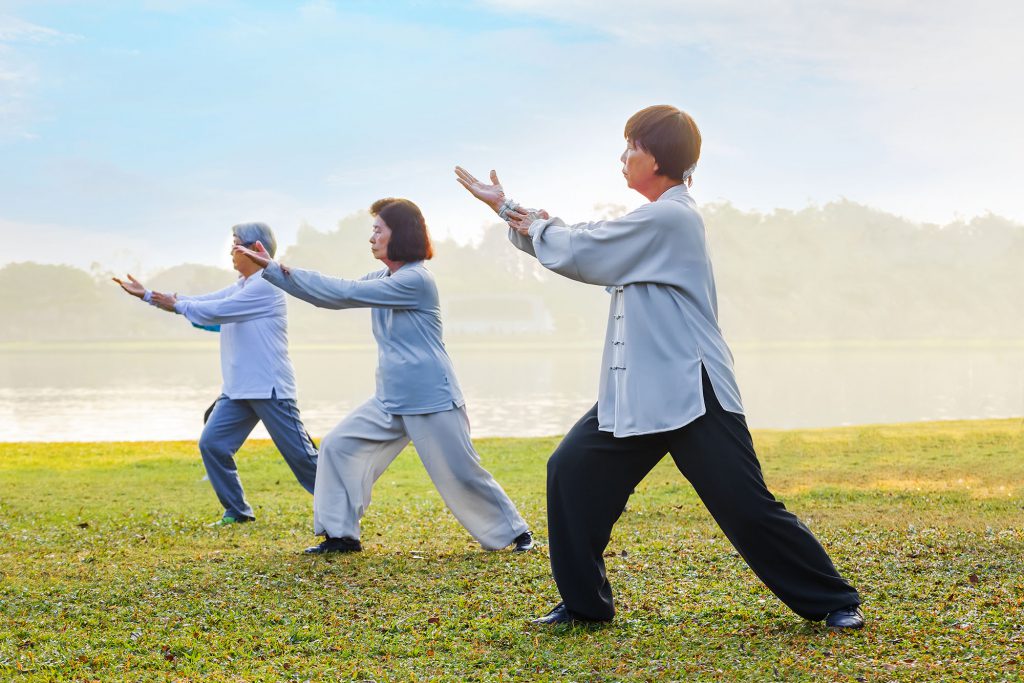
In an increasingly digital world, the ancient practice of Tai Chi has found new life through virtual platforms. Once confined to parks and studios, this gentle martial art is now accessible to anyone with an internet connection, revolutionizing how people approach mindfulness, physical health, and stress relief. Virtual Tai Chi classes are not just a temporary solution—they’re becoming a lasting wellness trend, offering flexibility, accessibility, and profound benefits for both body and mind.

The Rise of Virtual Tai Chi

Tai Chi, with its slow, deliberate movements and emphasis on breath control, has long been celebrated for its ability to improve balance, reduce stress, and enhance overall well-being. Traditionally taught in person, the practice required students to attend classes at specific times and locations. However, the shift to virtual instruction has removed these barriers, making Tai Chi more inclusive than ever.

The COVID-19 pandemic accelerated the adoption of online wellness programs, but the appeal of virtual Tai Chi extends far beyond necessity. Busy professionals, homebound seniors, and even those in remote areas can now participate in guided sessions from the comfort of their homes. This convenience has opened the door for more people to experience Tai Chi’s transformative effects without the constraints of geography or scheduling conflicts.

Key Benefits of Virtual Tai Chi Classes

1. Stress Reduction and Mental Clarity

One of the most significant advantages of Tai Chi is its ability to calm the mind. The practice combines movement with deep breathing, activating the parasympathetic nervous system and lowering cortisol levels. Virtual classes allow participants to immerse themselves in this meditative experience without distractions, creating a personal sanctuary wherever they are.

2. Improved Physical Health

Though Tai Chi is low-impact, it is remarkably effective at enhancing physical wellness. Regular practice can:

  • Strengthen muscles and improve posture
  • Increase flexibility and joint mobility
  • Boost cardiovascular health
  • Enhance balance and prevent falls (particularly beneficial for older adults)

Virtual instruction ensures that even those with limited mobility or chronic pain can engage in safe, modified movements under expert guidance.

3. Accessibility for All Ages and Abilities

Unlike high-intensity workouts, Tai Chi is adaptable to all fitness levels. Virtual platforms often offer beginner-friendly tutorials, advanced routines, and even chair-based variations for those with physical limitations. This inclusivity makes it an ideal practice for seniors, individuals recovering from injuries, or anyone seeking a gentle yet effective exercise option.

4. Consistency and Routine

One of the biggest challenges in maintaining a wellness practice is consistency. Virtual Tai Chi classes eliminate common obstacles like commuting or rigid schedules, making it easier to establish a daily habit. Many platforms provide on-demand sessions, allowing users to practice at their own pace and revisit lessons as needed.

5. Community and Connection

While practicing at home might seem isolating, many virtual Tai Chi programs foster a sense of community through live sessions, discussion forums, and social media groups. Participants can share experiences, ask questions, and even join global events, creating a supportive network despite physical distance.

How Virtual Tai Chi Compares to In-Person Practice

Some purists argue that in-person instruction is irreplaceable, particularly for mastering precise movements. However, virtual Tai Chi classes have unique advantages:

  • Personalized pacing – Students can pause, rewind, or slow down instruction to suit their learning style.
  • Reduced intimidation – Beginners may feel more comfortable practicing in private before joining group sessions.
  • Cost-effectiveness – Online classes are often more affordable than studio memberships or private lessons.

That said, the effectiveness of virtual Tai Chi depends on the quality of instruction. Reputable platforms employ experienced teachers who provide clear demonstrations, verbal cues, and even personalized feedback through video submissions.

The Future of Virtual Tai Chi

As technology evolves, so does the potential for virtual Tai Chi. Innovations like augmented reality (AR) and AI-driven feedback could further enhance the experience, offering real-time posture corrections or immersive environments that mimic outdoor settings. Additionally, wearable devices may soon integrate with Tai Chi apps to track progress in balance, flexibility, and stress levels.

Final Thoughts

Virtual Tai Chi classes are more than just a convenient alternative—they’re a gateway to sustainable wellness. By breaking down barriers to access, these digital platforms empower individuals to cultivate mindfulness, improve physical health, and build resilience in an increasingly fast-paced world. Whether you’re a curious beginner or a seasoned practitioner, the virtual Tai Chi revolution offers a path to harmony that fits seamlessly into modern life.

Visit these links for similar information :

https://wordtaps.com/
https://heatheninc.com/
https://vstorekids.com/
https://mundoadministrativo.net/
https://aguidetravel.com/
https://onlinebuymarijuana.com/
https://tnanews.net/
https://janewashere.co.uk/
https://hotelsinvalencia.org/
https://topholidays.net/
https://zbusoft.com/
https://triltechnology.net/
https://homelessinformation.com/
https://cadhomeplan.com/
https://marcospitbullhome.com/
https://polynews.org/
https://healthylivingindia.org/
https://thenewstime.net/
https://promopoker.net/
https://refinance-student-loans.org/
https://cityp.org/
https://oldpathshomesteading.com/
https://newsetmoto.com/
https://aboutfinancetoday.com/
https://homesandbenefits.com/
https://geotheatre.org/
https://firstpresbyterianpreparatoryschool.org/
https://homesbyelva.com/
https://askdrhealth.com/
https://thefashionstyle.org/

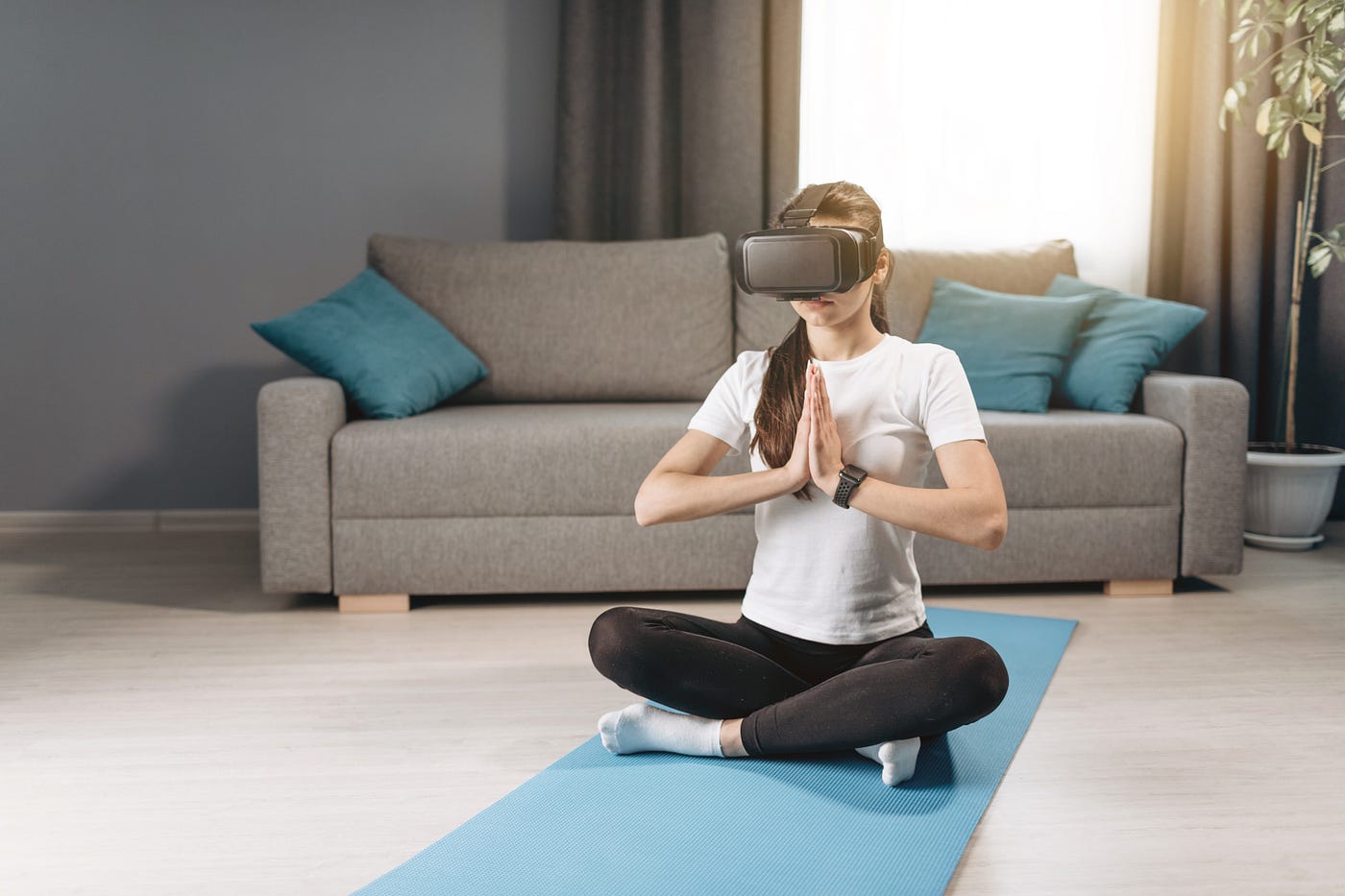
How Virtual Reality Mindfulness Apps Are Reducing Anxiety

In an increasingly fast-paced world, anxiety has become a common challenge for many. Traditional mindfulness techniques like meditation and deep breathing remain effective, but technology is offering a new way to enhance these practices. Virtual reality (VR) mindfulness apps are emerging as powerful tools to combat stress, providing immersive experiences that transport users to calming environments and guide them toward mental clarity. By blending cutting-edge technology with ancient relaxation methods, these apps are changing how people manage anxiety—one virtual breath at a time.

The Immersive Escape from Stress

Unlike conventional meditation apps that rely on audio or simple visuals, VR mindfulness apps create fully immersive environments designed to engage the senses. Users can find themselves on a tranquil beach at sunset, in a serene forest, or atop a misty mountain—all from the comfort of their homes. This level of immersion helps quiet the mind more effectively than traditional methods by blocking out real-world distractions. The brain responds to these virtual settings as if they were real, triggering the relaxation response and reducing cortisol levels. For those struggling with racing thoughts, VR offers an immediate escape, making mindfulness more accessible and impactful.

Guided Meditation with Enhanced Focus

One of the biggest hurdles in meditation is maintaining focus, especially for beginners. VR mindfulness apps solve this problem by providing structured, visually engaging sessions that hold attention. Guided meditations in VR often include soothing narration paired with interactive elements, such as floating orbs to follow with the eyes or breathing exercises synchronized with the environment. This multisensory approach keeps users engaged, preventing the mind from wandering. Studies suggest that VR meditation can lead to deeper states of relaxation compared to audio-only sessions, making it especially beneficial for those with high anxiety levels.

Exposure Therapy for Anxiety Disorders

Beyond general stress relief, VR mindfulness apps are being used as therapeutic tools for anxiety disorders, including phobias and PTSD. Gradual exposure to anxiety-inducing scenarios in a controlled virtual space helps users build resilience without real-world consequences. For example, someone with social anxiety might practice public speaking in a virtual auditorium, while a person with PTSD could work through triggers in a safe, guided setting. Therapists are increasingly incorporating VR mindfulness into treatment plans, as the technology allows for personalized, repeatable sessions that reinforce coping mechanisms.

Biofeedback and Personalized Relaxation

Some advanced VR mindfulness apps integrate biofeedback technology, using heart rate monitors or EEG headbands to tailor sessions based on the user’s physiological state. If the system detects elevated stress levels, it might adjust the environment—dimming lights, slowing the pace of guided breathing, or shifting to a more soothing landscape. This real-time adaptation makes mindfulness practices more effective, as the app responds to the user’s needs rather than offering a one-size-fits-all approach. Over time, users learn to recognize their stress signals and develop better self-regulation skills.

Accessibility for Reluctant Meditators

Many people dismiss traditional meditation because they find it boring or difficult to commit to. VR mindfulness apps remove these barriers by making relaxation feel like an engaging activity rather than a chore. Gamified elements—such as unlocking new environments, tracking progress, or earning rewards for consistent practice—motivate users to return regularly. The novelty of VR also appeals to those who might not otherwise try meditation, expanding the reach of mindfulness to a broader audience.

The Future of Anxiety Management

As VR technology becomes more affordable and widespread, its applications in mental health will continue to grow. Future developments may include AI-driven virtual therapists, social VR meditation groups, or even haptic feedback to enhance relaxation through touch. Early research indicates that consistent use of VR mindfulness apps can lead to long-term reductions in anxiety, offering a promising alternative or supplement to traditional therapy.

For anyone seeking relief from anxiety, VR mindfulness apps provide a modern, effective solution. By merging the ancient wisdom of meditation with the immersive power of technology, they offer a sanctuary from stress—one virtual breath at a time. Whether used daily or in moments of acute stress, these apps prove that the future of mental wellness lies at the intersection of innovation and mindfulness.

Visit these links for similar information :

https://homeimprovementcarmel.com/
https://mabsnews.com/
https://dunyapaknews.com/
https://kentraveling.com/
https://indihomekeluarga.com/
https://sportsnewsriet.com/
https://kodangnews.com/
https://cloudsnewsnetwork.com/
https://aworkforce.org/
https://floornhome.com/
https://basementlighting.org/
https://newcarreleasenews.com/
https://shaheennewstv.com/
https://almodonnews.com/
https://registercents.com/
https://newsarenas.com/
https://rkvnews.com/
https://keralanewsonline.com/
https://buuhoodlenews.com/
https://homedecorfurnitureandaccessories.com/
https://webtotalfitness.com/
https://tinafashionsaigon.com/
https://floridahealthsite.org/
https://askmeforum.com/
https://theclevelandhomecoming.com/
https://jcarettrealestate.com/
https://idealnewstv.com/
https://univetmedicine.com/
https://muraipokertop.com/
https://newslead.net/

How Virtual Yoga Retreats Are Boosting Mental Health

In a world where stress and digital fatigue are at an all-time high, virtual yoga retreats have emerged as a powerful tool for mental wellness. Combining the serenity of traditional retreats with the accessibility of online platforms, these digital escapes offer guided yoga, meditation, and mindfulness practices—all from the comfort of home. As mental health awareness grows, more people are turning to virtual retreats to find balance, reduce anxiety, and reconnect with themselves. Here’s how these online experiences are transforming well-being.

The Rise of Virtual Wellness Retreats

The pandemic accelerated the shift to digital wellness, but the trend is here to stay. Busy schedules, financial constraints, and travel limitations make in-person retreats difficult for many. Virtual retreats solve these challenges by offering:
✔ Affordability (no travel or accommodation costs)
✔ Flexibility (sessions can fit into any schedule)
✔ Accessibility (participation from anywhere in the world)

Platforms like Alo Moves, Glo, and Mindbody now host multi-day virtual retreats with expert instructors, live workshops, and community support.

Mental Health Benefits of Virtual Yoga Retreats

1. Stress & Anxiety Reduction

Yoga’s combination of movement, breathwork, and meditation activates the parasympathetic nervous system, which counteracts stress. Virtual retreats provide structured programs to:

  • Lower cortisol levels
  • Ease racing thoughts
  • Promote deep relaxation

2. Combatting Loneliness & Digital Burnout

Remote work and social isolation have increased feelings of disconnection. Virtual retreats foster community through:

  • Live Q&A sessions
  • Group meditations
  • Online forums for shared reflection

3. Improved Sleep & Emotional Balance

Many retreats include yoga nidra (yogic sleep) and evening wind-down rituals that regulate sleep cycles—a key factor in mental health.

4. Personalized Self-Discovery

Unlike crowded in-person retreats, virtual formats allow participants to:

  • Choose sessions that fit their needs (e.g., gentle yoga for beginners or intense vinyasa for advanced practitioners)
  • Pause and revisit recordings for deeper practice

What to Expect in a Virtual Yoga Retreat

A typical retreat includes:

  • Daily yoga flows (morning energizers, evening relaxers)
  • Guided meditations (mindfulness, loving-kindness practices)
  • Workshops (nutrition, journaling, breathwork)
  • Accountability check-ins (goal-setting with instructors)

Some even mail wellness kits with journals, teas, and essential oils to enhance the experience.

Success Stories: Real Transformations

  • Sarah, 34 (Remote Worker): *”After months of burnout, a 3-day virtual retreat helped me reset my nervous system. I now meditate daily.”*
  • James, 28 (Anxiety Sufferer): “The breathwork sessions reduced my panic attacks. I’ve joined a permanent online yoga community.”

How to Choose the Right Retreat

Look for programs that offer:

  • Experienced instructors (certified in yoga therapy or mental health)
  • Small group sizes (for personalized attention)
  • Holistic approaches (yoga + psychology tools like CBT)

Popular options include Yoga Girl’s virtual retreats and The Big Quiet’s digital gatherings.

The Future of Virtual Wellness

Expect advancements like:

  • VR-enhanced retreats (immersive nature settings)
  • AI-powered personalization (tailored sessions based on mood)
  • Corporate wellness partnerships (employer-sponsored retreats)

Final Thought: A Gateway to Sustainable Self-Care

Virtual yoga retreats prove that profound mental health support doesn’t require exotic locations—just intention and technology. By making therapeutic practices accessible, they democratize wellness in an overstimulated world.

Visit these links for similar information :

https://rent2010.net/
https://froglinks.org/
https://almenpar.net/
https://compagniefai.com/
https://colturidebucuresti.net/
https://cimots.com/
https://imbookingit.com/
https://arafeina.com/
https://sunglassesoutletsky.com/
https://bestcriminallawyerdelhi.com/
https://stephentyrone.com/
https://myexperttax.com/
https://therapinsider.com/
https://tabernaluciferina.com/
https://samdental.org/
https://claudiakarvan.net/
https://upcollective.org/
https://healthykidsnm.org/
https://ezycleanpest.com.au/
https://launchpadcreative.com.au/
https://directorypass.com/
https://travelntourism.org/
https://traveldistricts.com/
https://dvplegalconsultants.com/
https://dailyghnewsonline.com/
https://anhtutravel.com/
https://charlestonsfastcashhomebuyer.com/
https://trihc.com/
https://homedesignmaine.info/
https://lilihome.net/

Can Oral Appliances Replace CPAP for Sleep Apnea Treatment?

Sleep apnea is a common disease that affects millions of people around the world. It makes it hard to sleep and can cause headaches, daytime tiredness, and long-term health problems. Continuous Positive Airway Pressure (CPAP) therapy has been the most common way to treat mild to severe OSA for a long time. A lot of people still have trouble with how uncomfortable CPAP is and how to stick to it, even though it does work. Different approaches, like oral tools for sleep apnea, are getting more attention. However, can these gadgets be used instead of CPAP? 

What is Sleep Apnea?

When someone has sleep apnea, they stop breathing a lot while they sleep. The type most people have is obstructive sleep apnea. It happens when the throat muscles loosen up too much and block the airway. You might have more than one of these breaks during the night. They can last anywhere from seconds to minutes. Two effects of this that can be bad for health in general are low oxygen levels in the blood and trouble sleeping. 

The CPAP Treatment: Pros and Cons

A CPAP machine blows air continuously through a mask that is worn over the nose or mouth. This helps keep the airway open while you sleep. It works very well to treat sleep apnea, especially in people with mild to severe cases. However, CPAP therapy has its drawbacks. The bulky mask, the noise of the machine, and the discomfort from wearing the device can discourage some people from using it consistently. These challenges often lead to poor compliance, which in turn affects the effectiveness of the treatment.

Oral Appliances for Sleep Apnea: A Viable Alternative?

People who can’t handle CPAP treatment or have mild to moderate obstructive sleep apnea often choose oral appliances, which are also called mandibular advancement devices (MADs). These custom-made gadgets keep the airway open while you sleep by moving the lower jaw and tongue into different positions. Oral appliances help lower the number of apnea events by keeping the airway open. This lets the person sleep better and without interruptions.

Unlike CPAP machines, oral appliances are compact, easy to use, and generally more comfortable. They are less obtrusive and don’t require a mask or a machine to be used. For many people, this makes oral appliances a more attractive option, especially for those with less severe cases of sleep apnea.

Can Oral Appliances Replace CPAP?

Oral appliances may be able to replace CPAP treatment, but it depends on how bad the sleep apnea is and what the patient needs. For people with mild to severe sleep apnea, oral appliance for sleep apnea are often a great choice. They can cut down on apnea episodes by a lot, improve the quality of sleep, and ease symptoms like coughing and feeling tired during the day. 

When someone has serious sleep apnea, CPAP therapy is usually the best option because it keeps airflow steady and keeps airways from getting blocked. In these situations, oral tools might not be enough on their own and might only help a little. But oral appliances may still help some people with severe sleep apnea, especially when used with CPAP treatment. This is called “CPAP adjunctive therapy,” and the oral appliance is used along with CPAP to make it more comfortable and easier to stick to.

Key Considerations When Choosing Between Oral Appliances and CPAP

  1. Severity of Sleep Apnea: Oral appliances are most effective for mild to moderate cases. Severe cases may require CPAP therapy for optimal results.
  2. Comfort and Compliance: Oral appliances are generally more comfortable and less intrusive than CPAP machines, making them a better option for those who struggle with CPAP compliance.
  3. Long-Term Effectiveness: While oral appliances can effectively reduce apnea events, they may not offer the same level of long-term efficacy as CPAP for more severe cases.
  4. Consultation with a Healthcare Provider: It’s important to work closely with a doctor or sleep expert to figure out the best way to treat sleep apnea based on your personal preferences and how bad it is.

Conclusion

Oral appliances for sleep apnea are a promising option to CPAP, but they might not always be enough to get rid of the need for CPAP therapy. They work very well for people with mild to moderate obstructive sleep apnea and are more comfortable and less obtrusive. But CPAP is still the best way to treat serious sleep apnea, and it’s often used with oral appliances for the best results. When thinking about switching from CPAP to an oral gadget, it’s important to talk to a doctor to make sure this treatment is right for you. For many people with sleep apnea, oral aids can help a lot and make their quality of life better if they are used correctly.