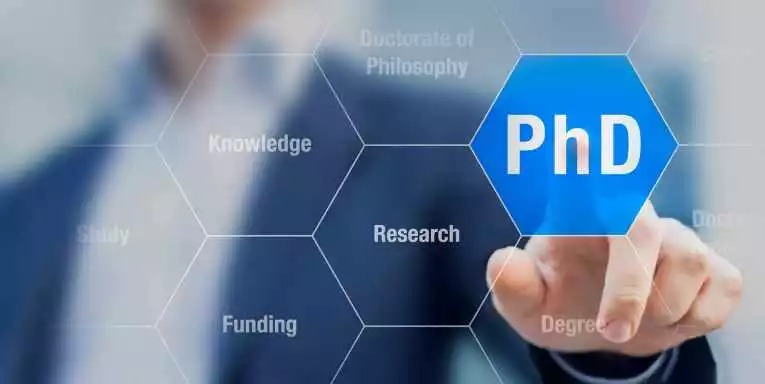
PhDr Degree Explained: Recognition & Career Benefits

The PhDr degree is a unique academic credential utilized in various Central and Eastern European nations. It is often called a “small doctorate” because it is in between a master’s degree and a traditional research doctorate, like a PhD. The PhDr title is not widely recognized outside of Europe, although it is highly regarded in the areas where it is given.

Students and professionals can figure out if this degree fits with their educational and career goals by learning how it works, where it is recognized, and how it can help them advance in their careers.

What Is a PhDr Degree?

The PhDr, or Doctor of Philosophy, in several European academic institutions, is an advanced degree that you get after you finish your master’s degree. Countries like the Czech Republic and Slovakia give it out the most. The PhDr is different from a PhD because it doesn’t need years of original research. Instead, you have to pass a tough exam, write a thesis, and show that you are an expert in a certain academic field.

In the past, the PhDr came from older European academic traditions when state exams were used to measure intellectual competency and specialty instead of long research programs. Today, it still shows that someone is an expert in a subject and has academic skills.

Academic Structure and Requirements

To acquire a PhDr, a person must first get a master’s degree in a field that is related. After that, they have to go through a hard process that usually involves writing a thesis, defending it in front of a group of professors, and completing long examinations to show how much they know about hard topics. 

A research doctorate typically necessitates several years of original work, whereas a PhDr generally requires only a few years. Instead, it assesses how well the candidate knows their job, how well they comprehend the theory, and how well they can learn. In most circumstances, this technique lets you finish your degree faster. 

In Europe, the PhDr is seen as a recognized doctoral degree pathways that lets graduates show off their superior academic skills without having to undertake the extra research that comes with a PhD.

Recognition in Europe and International Context

People in the countries that give out the PhDr esteem it a lot, and in those academic systems, it is seen as a recognized European doctorate. It is especially useful for jobs in academia, education, and the public sector that demand advanced academic credentials.

But international recognition is not the same everywhere. The PhDr is not the same as a PhD in many countries, such as the US and the UK. It might be seen as a higher-level postgraduate degree instead. People who want to work or study overseas should check with credential evaluation agencies or schools to find out what the prerequisites are for getting their degrees recognized.

People looking into doctoral degrees around the world can find out more about degree structures and recognition frameworks at https://www.doctoral-degree.com. This site gives information about global doctoral systems and academic pathways.

Differences Between PhDr and PhD Degrees

Even they both have the word “doctor” in them, the PhD and PhDr are extremely different in what they want to do, how they are set up, and the academic criteria they follow. 

You need to undertake original research and write a dissertation that adds to the field in order to receive a PhD. A degree is the most common way to perform research and teach at universities all around the world. It normally requires a few years of full-time school. 

The PhDr, on the other hand, is more about showing off advanced knowledge than doing original research. It prioritizes the mastery of current scholarship and analytical skills over the production of fresh research discoveries.

Because of these differences, people who want to work in academic research normally get a PhD, whereas others who want to improve their professional credentials or academic knowledge may benefit from the PhDr.

Fields of Study Offering the PhDr

People who study the humanities, social sciences, education, or anything like that usually get a PhD. Some of the most popular fields are language, teaching, sociology, philosophy, and psychology. 

The concentration is on theoretical depth and scholarly skills, which makes it useful for vocations that involve advanced analytical thinking, critical interpretation, and topic knowledge. 

Career Benefits of a PhDr Degree

Getting a PhDr can help you in your career, especially in European academic and professional settings. The title indicates a high level of academic success and expertise in a specific field.

In education and academics, a degree can make you more credible and help you move up to higher teaching or managerial positions. It shows academic authority and knowledge in public administration and cultural entities.

People who work in psychology, social services, or policy development may find that the PhDr helps them build their professional profile and advance in their careers.

The title also shows that you are smart, which can be helpful in professions like consulting, writing, research coordination, and giving advice.

Who Should Consider a PhDr Degree?

People who desire to learn more about a subject without committing to a long-term research doctorate should get the PhDr degree. It is perfect for teachers, professionals, and graduates who want to stand out academically and be recognized in European systems.

Students who want to work in research-heavy academic settings or international universities may discover that a PhD is a better fit for their aspirations. But the PhDr path might be good for people who want to go on in their careers, teach, or gain specialized knowledge.

Future Outlook and Academic Value

As higher education around the world becomes more connected, degrees based on regional academic traditions are becoming more well-known. The PhDr is still most important in Central and Eastern Europe, but its academic rigor and intellectual norms keep it relevant.

Understanding the differences between doctoral degrees helps students choose programs that fit with their career goals and plans to move around the country.

FAQs

What does PhDr stand for?

PhDr stands for Doctor of Philosophy in certain European academic systems. It is an advanced postgraduate degree awarded after a master’s qualification.

Is the PhDr equivalent to a PhD?

No. The PhDr is not equivalent to a PhD. A PhD requires original research and dissertation work, while the PhDr demonstrates advanced scholarly knowledge and expertise.

Where is the PhDr degree recognized?

The degree is primarily recognized in the Czech Republic, Slovakia, and nearby regions. Recognition varies internationally.

Can a PhDr holder pursue a PhD later?

Yes. Earning a PhDr does not prevent candidates from pursuing a PhD in the future.

What careers benefit from a PhDr degree?

Careers in education, public administration, psychology, social sciences, and cultural institutions can benefit from the academic prestige and expertise associated with the PhDr.

How long does it take to complete a PhDr?

Completion time varies but is typically shorter than a PhD because it focuses on examinations and thesis defense rather than extended research.


Why Your Body Feels Tired Even When You Slept Enough

Waking up after seven or eight hours of sleep should leave you feeling refreshed. Yet many people open their eyes in the morning and still feel drained. If this sounds familiar, you are not alone. Feeling tired despite adequate sleep is a common issue, and it often has more to do with lifestyle, stress, and hidden health factors than with the number of hours spent in bed.

Let us explore why your body feels exhausted even when you technically slept enough.

Sleep Quality Matters More Than Sleep Quantity

Not all sleep is equal. You may spend eight hours in bed, but if your sleep cycles are interrupted, your body will not reach the deep and restorative stages it needs.

Factors such as late night scrolling, stress, background noise, or inconsistent sleep schedules can prevent deep sleep. Just as australian businesses rely on structured systems to operate efficiently, your body relies on structured sleep cycles. When those cycles are disturbed, your energy levels suffer.

You might think you are sleeping enough, but if you wake up frequently during the night or struggle to fall asleep, the quality of your rest declines significantly.

Mental Exhaustion Can Feel Like Physical Fatigue

Your brain uses a tremendous amount of energy. Constant thinking, decision making, and worrying can leave you mentally drained. Mental fatigue often shows up as physical tiredness.

Think about how you feel after a long day of problem solving or stress. Even if you did not do physical labor, your body feels heavy. In today’s fast paced digital world, people consume endless information, from financial news discussing the highest net worth individuals to social media comparisons and career pressure.

This nonstop mental input keeps your nervous system activated, preventing true rest and recovery.

Stress And Cortisol Imbalance

Chronic stress is one of the most overlooked causes of persistent fatigue. When you are stressed, your body produces cortisol. In small doses, cortisol helps you stay alert. But when stress becomes constant, your body remains in a state of alertness, making deep relaxation difficult.

Over time, this imbalance can leave you feeling wired at night and exhausted during the day. You might sleep, but your body does not fully relax.

Digital stimulation plays a role here too. Spending late nights editing videos on apps like capcut mod apk or tweaking your instagram style bio might seem harmless, but blue light exposure and mental stimulation delay melatonin production. That means lighter sleep and reduced recovery.

Poor Nutrition And Blood Sugar Fluctuations

What you eat affects how you feel. Diets high in sugar and refined carbohydrates can cause blood sugar spikes and crashes. These crashes often show up as mid morning or mid afternoon fatigue.

Even if you slept well, unstable blood sugar levels can drain your energy. Your body depends on steady fuel. When meals lack protein, fiber, and healthy fats, energy dips become more frequent.

Hydration also matters. Mild dehydration can make you feel sluggish, reduce focus, and increase headaches. Many people confuse dehydration with tiredness.

Lack Of Physical Movement

It might seem counterintuitive, but not moving enough can make you feel more tired. Regular physical activity improves circulation, oxygen delivery, and hormone balance.

Sedentary lifestyles reduce overall energy efficiency. Even light exercise such as walking can improve sleep quality and daytime alertness.

Your body is designed to move. When movement decreases, metabolism slows, and fatigue increases.

Underlying Health Conditions

Sometimes, persistent fatigue has a medical cause. Conditions such as anemia, thyroid imbalance, vitamin deficiencies, and sleep apnea can interfere with energy levels.

Sleep apnea is especially tricky because you may not realize it is happening. It causes brief interruptions in breathing during sleep, preventing deep restorative rest.

If fatigue continues despite healthy habits, consulting a healthcare professional is important.

Information Overload and Digital Fatigue

Modern life bombards us with constant information. Whether it is researching new tools like ghidralite, comparing career paths, or keeping up with online trends, your brain rarely gets a break.

Digital fatigue is real. Endless notifications and multitasking fragment attention and prevent mental recovery. Even leisure activities online can feel stimulating rather than relaxing.

Setting boundaries with devices, especially before bed, can significantly improve sleep quality.

Inconsistent Sleep Schedule

Going to bed at different times every night confuses your internal clock. Your circadian rhythm thrives on routine. When you stay up late on weekends and wake early on weekdays, your body struggles to maintain balance.

Consistency strengthens sleep patterns, making rest more restorative.

Emotional Burnout

Emotional strain can drain your energy deeply. Relationship stress, workplace pressure, financial concerns, and personal goals all require emotional effort.

Burnout often shows up as chronic fatigue. You may feel detached, unmotivated, and mentally foggy even after sleeping enough hours.

Rest alone does not fix burnout. You need emotional recovery, boundaries, and sometimes lifestyle adjustments.

How to Reclaim Your Energy

If you feel tired despite sleeping enough, focus on improving sleep quality, reducing stress, stabilizing nutrition, and limiting digital exposure at night. Create a consistent bedtime routine, move your body daily, and allow your mind time to unplug.

Energy is not just about hours slept. It is about how well your body and mind recover.

When you begin addressing these hidden factors, you may find that your mornings feel lighter, your focus sharper, and your days more productive. True rest comes from alignment between sleep, lifestyle, and mental balance.

Smart Eating Habits For Busy Lifestyles

Maintaining a healthy diet can feel challenging when you have a busy schedule. Between work, social obligations, and personal responsibilities, it’s easy to skip meals, rely on fast food, or grab whatever is convenient. However, adopting smart eating habits doesn’t have to be complicated. With proper planning and small adjustments, you can fuel your body efficiently and maintain energy levels throughout the day.

Plan Ahead For Success

One of the most effective strategies for busy individuals is meal planning. Preparing meals in advance ensures you have healthy options available, even during hectic days. Planning also helps you make informed choices, avoid last-minute fast food runs, and reduce food waste.

Being informed and proactive makes a difference. Following shopping businessnewstips can provide insights on healthy grocery options, affordable meal prep ideas, and tips to streamline food shopping for busy lifestyles.

Focus On Nutrient-Dense Foods

When time is limited, it’s crucial to prioritize nutrient-dense foods. Whole grains, lean proteins, fruits, vegetables, and healthy fats provide long-lasting energy and support overall health. Eating nutrient-rich foods helps you stay full longer, improves focus, and reduces the temptation for unhealthy snacks.

Monitoring long-term outcomes reinforces smart choices. Tracking cumulative success like a celebrity net worth list shows how consistent, small actions accumulate into substantial results over time, similar to building healthy eating habits.

Smart Snacking Strategies

Snacking wisely can prevent energy crashes and overeating at main meals. Choose snacks that combine protein and complex carbohydrates, such as nuts with fruit or yogurt with granola. Keep these options accessible at home or work to avoid relying on vending machines or processed snacks.

Even in personal branding, attention to detail matters. A well-curated pinayflix.c9m profile demonstrates intentionality and consistency, similar to how mindful snacking supports overall diet quality.

Hydration Is Key

Staying hydrated is an often-overlooked aspect of healthy eating. Water aids digestion, supports cognitive function, and prevents fatigue. Carry a reusable water bottle and set reminders to drink throughout the day. Infusing water with fruit or herbs can make hydration more enjoyable.

Efficiency and habit formation are essential in all areas of life. Tracking engagement, such as maintaining snapchat best friends planets, shows how consistent monitoring improves results, similar to how regular hydration supports mental and physical performance.

Balance Convenience And Quality

Busy lifestyles often make convenience foods appealing. However, prioritizing quality doesn’t mean spending hours in the kitchen. Quick options like pre-chopped vegetables, canned beans, or frozen fruits and vegetables can save time while providing essential nutrients. Combining convenience with nutrition allows you to maintain a healthy diet without compromising your schedule.

Structured approaches improve outcomes across disciplines. Professionals using celebrity net worth list insights rely on detailed planning to maximize results, reflecting how planning meals strategically balances convenience and nutrition.

Incorporate Mindful Eating

Even with limited time, practicing mindful eating can improve digestion and satisfaction. Focus on meals without distractions, chew slowly, and appreciate the flavors. Mindful eating helps prevent overeating and encourages better food choices, even in a fast-paced environment.

Intentionality improves both lifestyle and digital interactions. Thoughtful use of pinayflix.c9m features shows how deliberate action and focus enhance engagement, similar to how mindful eating enhances health benefits.

Keep It Consistent

Consistency is the cornerstone of smart eating. Small, manageable habits—like prepping a healthy breakfast, carrying snacks, and drinking water regularly—compound over time. Even busy schedules can accommodate these practices with discipline and planning.

Consistency in routines mirrors long-term progress. Observing celebrity net worth list growth over time illustrates how repeated, intentional actions create substantial results, just as consistent healthy eating leads to sustained energy and well-being.

Conclusion

Smart eating habits are achievable, even for the busiest individuals. Planning meals, focusing on nutrient-dense foods, practicing smart snacking, staying hydrated, balancing convenience with quality, and mindful eating all contribute to a healthier lifestyle. Staying informed through shopping businessnewstips, tracking long-term growth like celebrity net worth list, presenting yourself intentionally through platforms such as pinayflix.c9m, and maintaining consistency similar to snapchat best friends planets ensures that nutrition supports both energy and productivity. By implementing these strategies, busy individuals can enjoy better health, improved focus, and greater overall well-being.